

Technical SEO hasn't changed as much as the discourse suggests. The fundamentals still apply. What's new is the layer of AI-specific requirements on top.
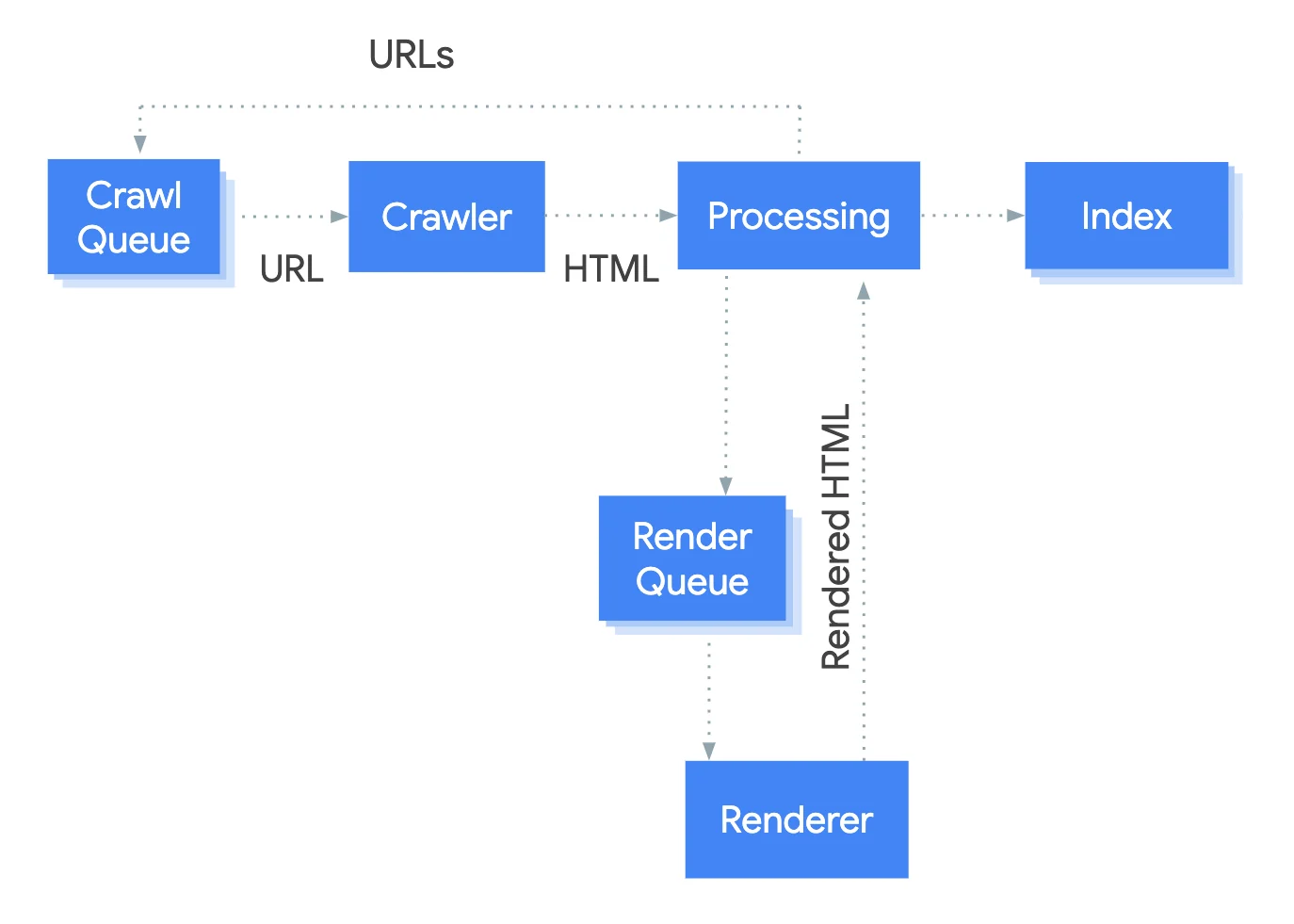
Core Technical Foundations
These remain non-negotiable:
- Crawlability: XML sitemaps, robots.txt, no orphan pages
- Indexability: Proper canonicals, no accidental noindex, clean parameter handling
- Performance: Core Web Vitals under thresholds, mobile-first rendering
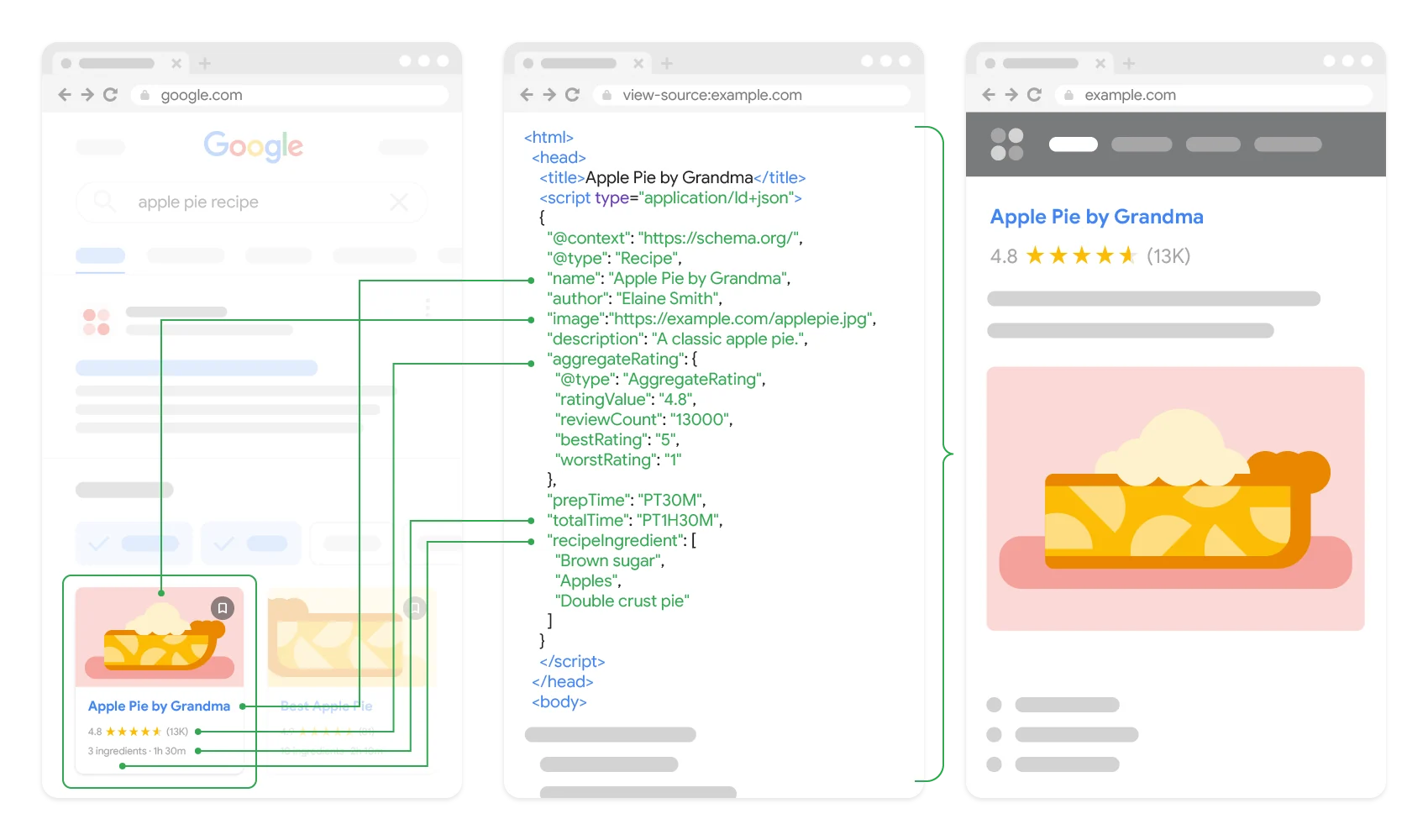
- Structured data: Organisation, Product, Article, BreadcrumbList as baseline
AI-Search Additions
New items that didn't exist two years ago:
- llms.txt: Like robots.txt but for AI crawlers. Specifies which content to use for training vs. real-time retrieval
- Semantic HTML: AI models parse meaning from structure. Use
<article>,<section>,<nav>properly - Entity consistency: Ensure brand name, product names, and key personnel are mentioned identically across pages
- Citation-friendly content: Clear authorship, dates, and factual statements that AI models can confidently attribute
The Audit Process
Run your standard technical audit first. Then add the AI-specific layer. The two aren't competing. They're complementary.
Most enterprise sites I audit have solid technical SEO but miss the AI layer entirely. That's the opportunity.